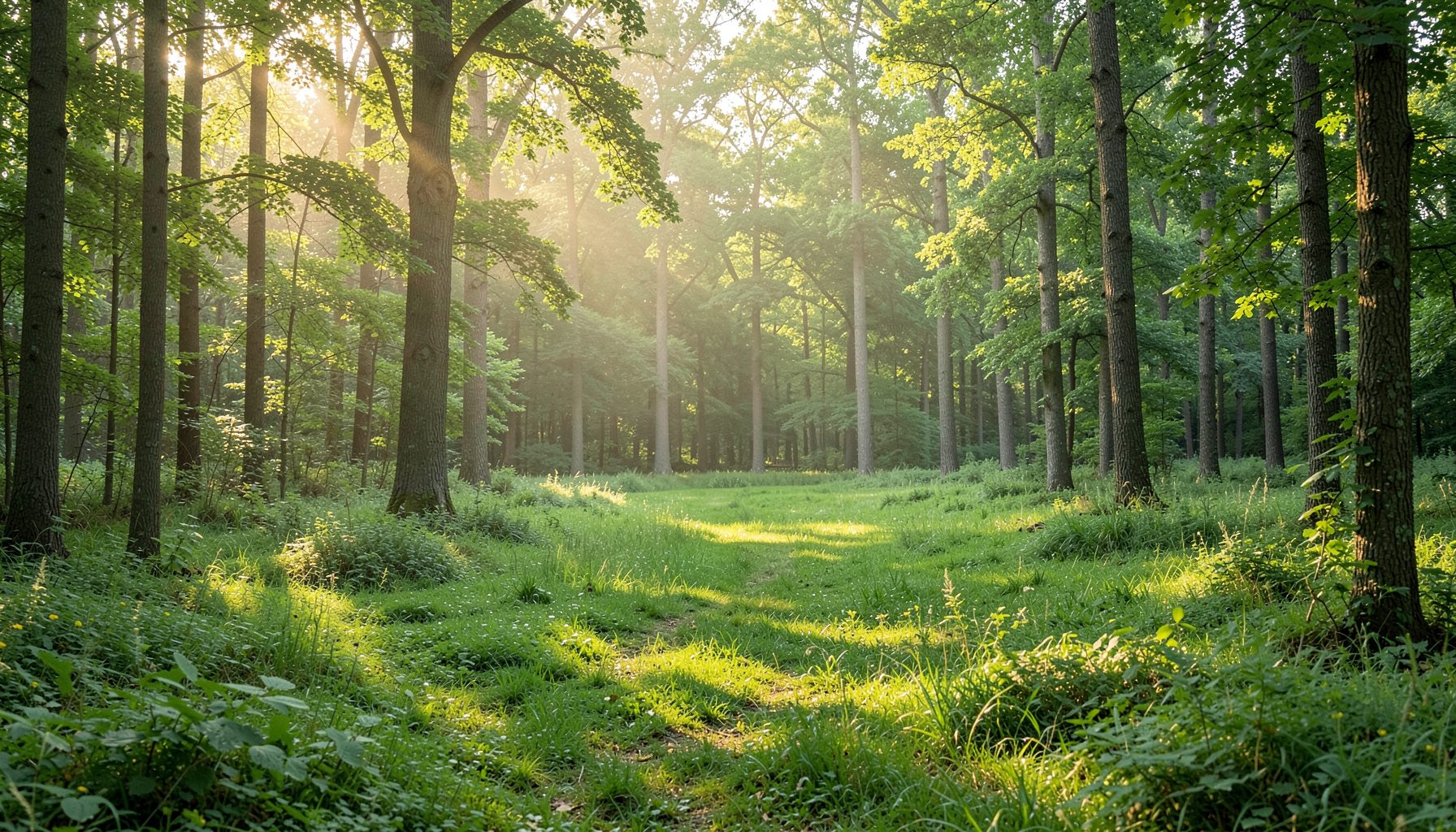

The beauty of God's creation and our calling to care for it
From the first pages of Scripture, the world is presented as God’s handiwork: ordered, generous, diverse, and full of life. The sun over the ocean, the scent of eucalyptus after rain, and the intricate balance of a coastal wetland all point beyond themselves to the wisdom and goodness of their Creator.
For Christians, appreciating creation is joined to faithful responsibility. We are called to receive the earth with gratitude, use its gifts wisely, and care for our neighbours and future generations. This calling fits naturally within the worship and discipleship of Grace Presbyterian Church, where biblical teaching shapes everyday life.
Creation reveals God’s generous character
Psalm 19 speaks of the heavens declaring God’s glory, while Genesis describes creation as good. The natural world is not divine, yet it reflects the creativity, power, and generosity of God. Every habitat, season, and living creature has value because it exists by his will.
In Australia, this wonder can be seen in places as varied as Sydney Harbour, the red centre, Queensland’s rainforests, and the Great Barrier Reef. Creation’s beauty is especially striking because it is so richly varied, inviting both joyful praise and careful attention.
Stewardship begins with gratitude
Biblical stewardship starts with recognising that the earth belongs to God. Human beings are given responsibility within creation, rather than permission to treat it as disposable property. We cultivate, protect, repair, and share what has been entrusted to us.
Gratitude changes ordinary decisions. Choosing durable goods, reducing food waste, conserving water, and supporting responsible producers can become practical expressions of worship. A visit to a local farmers’ market may connect families with seasonal food and the people who grow it, while thoughtful shopping at a major Australian supermarket can reduce unnecessary packaging.
Caring for creation is loving our neighbours
Environmental harm rarely affects everyone equally. Drought, polluted waterways, extreme heat, and rising living costs can place a heavier burden on vulnerable households. Caring for the earth therefore belongs with the biblical call to seek justice, show mercy, and love our neighbours.
Australian communities understand this through lived experience. Bushfires have displaced families, floods have damaged homes and businesses, and water scarcity has shaped life in regional towns and growing cities. Christian concern for creation includes practical compassion for people facing these pressures.
Small choices can form faithful habits
Individual actions do not solve every environmental problem, yet daily habits can train our hearts. Walking, cycling, repairing possessions, sharing resources, planting native species, and planning meals carefully all resist a culture of waste. These choices can also create healthier homes and stronger communities.
Church life offers encouragement for this kind of faithfulness. A congregation can reduce unnecessary waste at shared meals, care for gardens, support local charities, and discuss responsible living in small groups. Children and young people can learn that wonder, responsibility, and service belong together.
Hope rests in God’s renewing work
Christian care for creation is grounded in hope rather than fear. Scripture points towards God’s renewal of all things, assuring believers that his purposes for the world will not fail. This promise does not make present action irrelevant; it gives faithful work a deeper foundation.
Because God is committed to redemption, Christians can serve patiently even when progress seems slow. Planting a tree whose shade may bless another generation, restoring a neglected place, or protecting a local creek can express trust in God’s long-term purposes.
Creation care belongs in worship
Worship gathers the whole person before God. Songs, prayers, Scripture, and preaching can awaken gratitude for rain, soil, animals, oceans, and human life. They can also lead the church to confess wastefulness and ask for wisdom in the way resources are used.
Music and prayer help move concern beyond information. When a congregation gives thanks for the land and remembers communities affected by drought or fire, environmental responsibility becomes part of Christian discipleship rather than a separate interest.
A shared calling for every generation
Adults can model careful living, families can practise gratitude at home, and children can discover the joy of tending plants and observing wildlife. Youth groups and small groups can explore how faith connects with food, energy, transport, work, and community life.
The goal is a steady, hopeful culture of care. In cities such as Melbourne, Perth, Brisbane, and Adelaide, local conditions differ, yet every community depends on clean air, reliable water, healthy soil, and resilient ecosystems. Each congregation can respond in ways suited to its neighbourhood.
Let the beauty of God’s creation lead to praise, humility, and action. Join Grace Presbyterian Church for Sunday worship at 10:30 a.m., bring your concerns into prayer, and take one faithful step this week towards caring for the world God has entrusted to us.