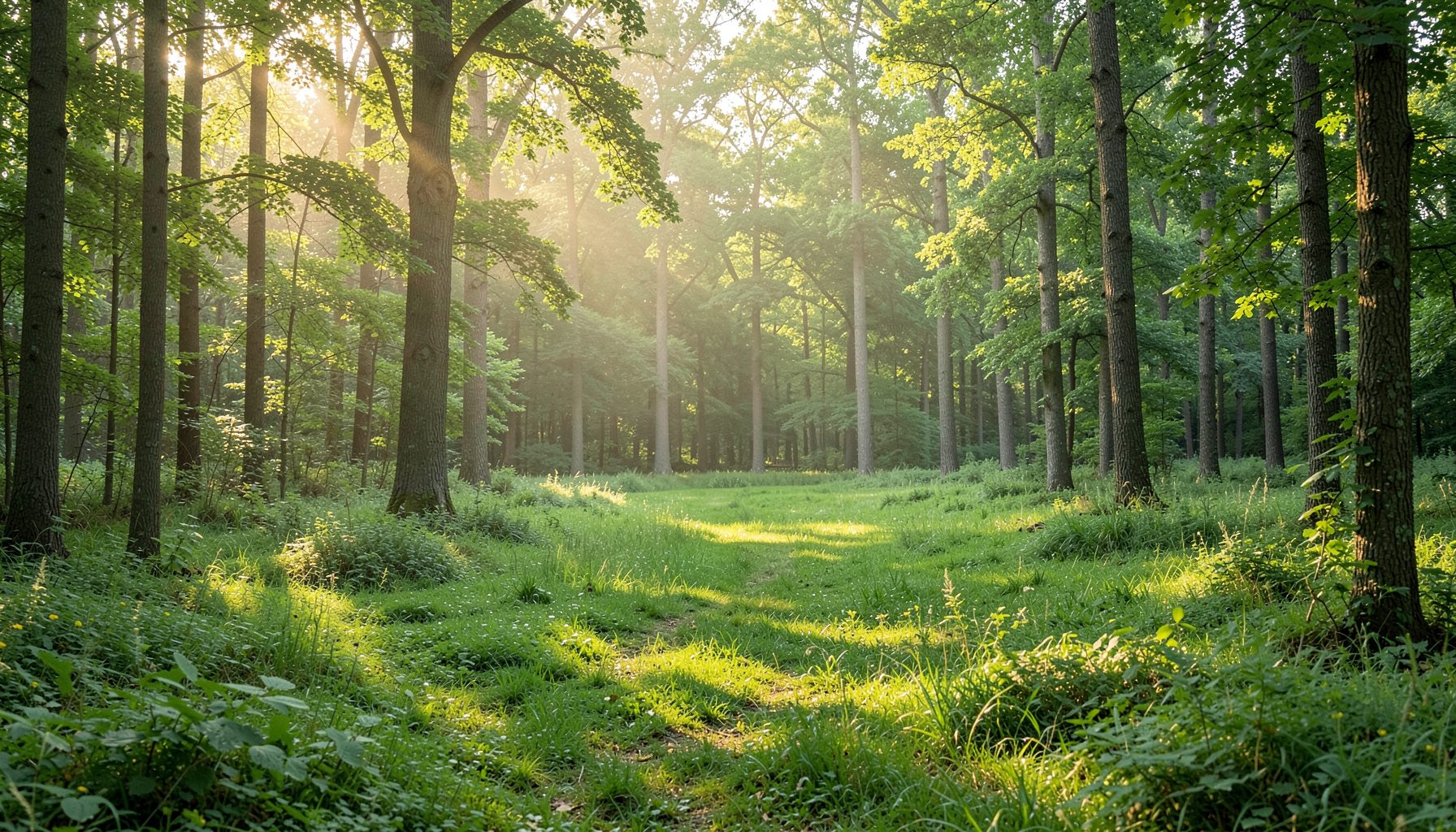

How to host a neighbourhood prayer walk
A neighbourhood prayer walk is a simple way to care for the streets, households, schools and local businesses around your church. Participants move through the area at an unhurried pace, praying quietly or aloud while remaining attentive to the people and needs they encounter.
For Grace Presbyterian Church, this practice can express Reformed convictions about God’s sovereign care, the goodness of ordinary work and the church’s calling to love its neighbours. A prayer walk does not need to feel impressive or highly organised. It needs a clear purpose, wise preparation and a gracious presence.
Begin with prayerful purpose
Start by explaining why the group is gathering. You are praying for the peace of the community, opportunities for gospel conversations, protection for vulnerable people and wisdom for local churches. Keep the focus on God’s character rather than treating prayer as a technique for changing a suburb.
Choose a manageable area near the church or a familiar meeting point. A block of suburban streets, a shopping strip, a school zone or a nearby park can provide enough variety for a first walk. In an Australian summer, an early morning or cooler evening is usually more comfortable than the middle of the day.
Prepare the route and team
Walk the route beforehand and note footpaths, crossings, steep sections, public toilets and places where the group can pause. Check relevant local council guidance, particularly if the gathering is large or uses a public reserve. In apartment areas, respect strata boundaries and avoid entering shared spaces without permission.
Keep the group small enough to move safely and notice its surroundings. Two or three people together can pray attentively without blocking a footpath. Appoint a coordinator, encourage reflective listening and agree on a finish time. A simple 30- to 45-minute route works well for an initial gathering.
Invite neighbours with care
Use personal invitations, church notices, a community email or a small flyer. Explain that the walk is a peaceful Christian prayer activity and that no one will be pressured to speak, join or receive prayer. A warm Australian phrase such as “You’re welcome to come along for a short walk and pray for our local community” can sound more natural than formal religious language.
Be thoughtful in multicultural neighbourhoods. Some people may welcome prayer, while others may prefer privacy. Do not photograph homes, identify residents publicly or make assumptions based on ethnicity, income, age or housing style. If someone stops to chat, listen first and keep the conversation brief unless they clearly want more.
Pray for real local needs
Divide the area into themes: homes and families, schools and children, workplaces and shops, health services, public safety, churches and people experiencing loneliness. Pray with compassion for renters, homeowners, students, shift workers, carers, refugees, older residents and those facing financial stress.
Use general language when you do not know personal details. Instead of speculating about a household, pray for God’s comfort, justice, wisdom and peace. The quiet, reflective pattern found in night prayer resources can help participants develop a calm rhythm before they begin.
Include children and different abilities
Children and teenagers can take part when the route, pace and expectations are suitable. Give them simple themes, such as praying for their school, playgrounds or families. A leader can explain that prayer is speaking honestly with God, not performing for people nearby.
Plan for participants with mobility, hearing or sensory needs. Choose accessible footpaths and provide a meeting point for anyone who cannot complete the full route. Avoid turning the walk into a test of endurance. A shorter route with attentive prayer is more valuable than covering a large area hurriedly.
Keep the gospel gracious and visible
A prayer walk is not a substitute for Sunday worship, pastoral care or practical service. It can prepare the church to notice opportunities to welcome people, support local initiatives and speak about Jesus with humility. When someone requests prayer, ask permission before praying and keep the words brief and respectful.
The group can also pray for people who feel isolated or uncertain about their place in the world. Grace Presbyterian’s reflection on contentment in Christ offers a helpful lens for remembering that God meets people in every season of life, including singleness, grief and transition.
Gather, reflect and follow up
Finish at the church, a park or another agreed location with a short prayer of thanks. Invite participants to share broad observations rather than private information about residents. Record recurring community concerns, such as transport difficulties, family support needs or loneliness, without attaching names.
A future prayer walk may lead to a practical response: welcoming visitors at the 10:30 a.m. service, promoting a small group, supporting a school community or offering pastoral contact through the church’s prayer request form. Leaders may also choose a day of preparation using guidance on the spiritual discipline of fasting, ensuring that any fasting is voluntary, wise and appropriate for each person’s health.
Gather a few people, choose a nearby route and begin with humble, specific prayer. Grace Presbyterian Church welcomes people at every stage of faith, and a neighbourhood prayer walk can become a gentle first step towards deeper fellowship, biblical teaching and loving service in the local community.