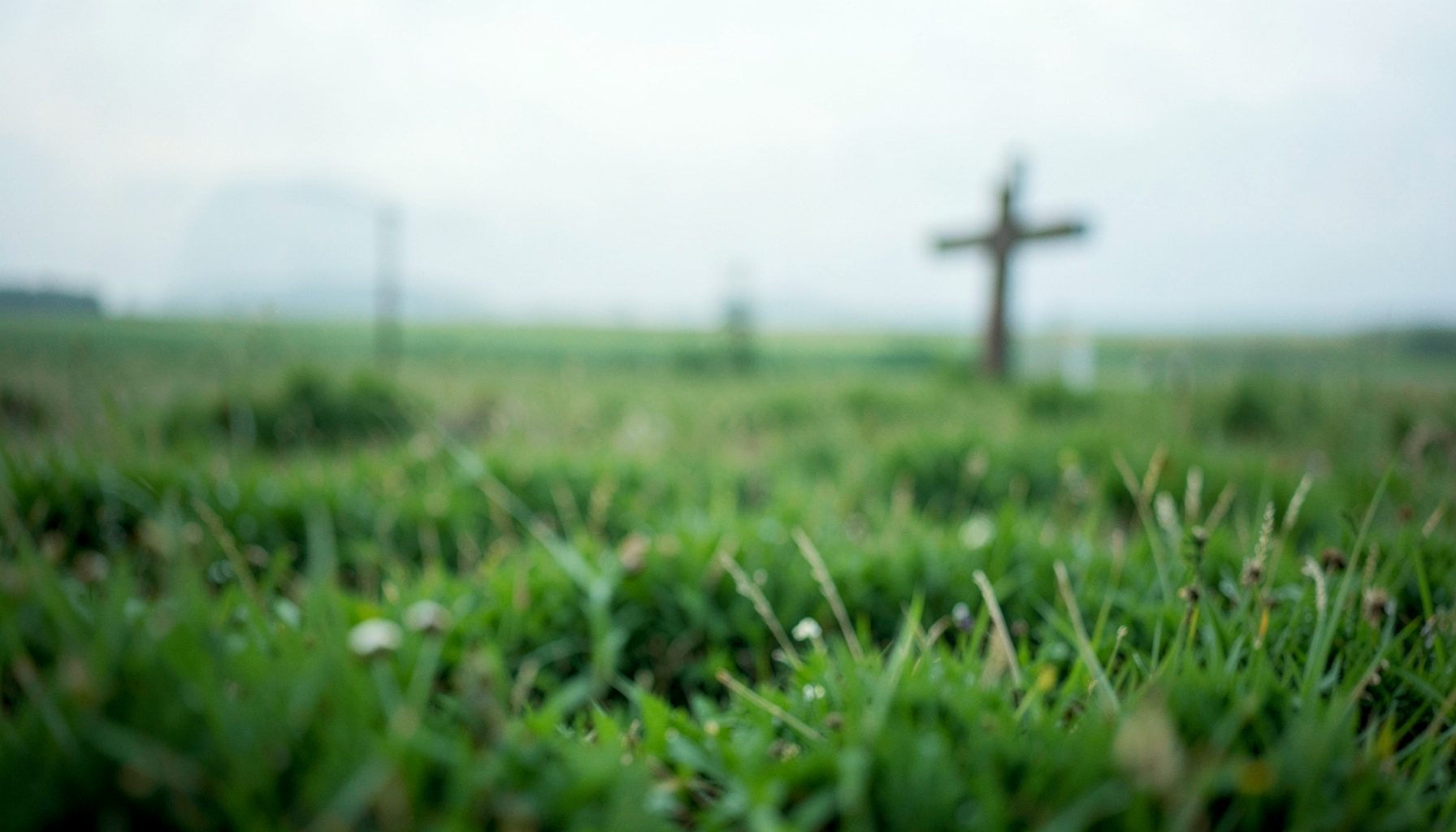

Preparing Your Heart for Seasons of Suffering
Suffering does not check a passport before it arrives. Whether you are walking along the Yarra in Melbourne or driving home through a Brisbane downpour after a long shift, hardship finds its way into every Australian life. Health concerns, relationship breakdown, job loss, the slow grief of watching a parent fade — these realities do not respect the lucky country narrative. Even those who have built comfortable lives in Adelaide or along the Perth coast will face a season that tests them at the core.
For Christians, the question is not whether suffering will come but how we will face it when it does. The psalms are filled with honest laments, and Jesus himself wept before he endured the cross. A faithful response is not one that pretends everything is fine, nor one that collapses under the weight of pain. It is one that prepares in advance, so that when hardship lands, the roots of our lives already reach deep into the soil of grace.
This article gathers practical and spiritual wisdom to help you prepare for difficult seasons. The goal is not to avoid affliction — much of it is beyond our control — but to build resilience, deepen your walk with God, and surround yourself with community that can carry you when your own strength falters. These rhythms can be practised long before the trial arrives.
A church family plays a vital role in this preparation. Regular gathering, teaching, and prayer shape us in ways we cannot always see in the moment. If you are looking for a place to be spiritually grounded, the services and ministries at Grace Presbyterian offer a steady rhythm to anchor your week.
Anchoring Your Identity in Christ Before the Storm
The most important preparation happens in calm seasons. When life is steady, it is tempting to build our identity around comfort, career success, or the approval of others. Yet when those foundations crack, the loss feels unbearable. Christians are called instead to anchor identity in Christ — to know, deeply, that we are loved by God before we have earned or accomplished anything.
This anchoring looks like regular reflection on Scripture, asking the Holy Spirit to reveal the Father's heart. It looks like naming the truth that our worth is secure even when our circumstances are not. Many Australians find that early morning quiet, perhaps before the kids wake up or before the commute through Sydney traffic begins, is the most honest space to do this work.
Practising this identity check during good seasons trains the soul. When adversity arrives, you will already know where you stand, freeing energy for the trial itself rather than wrestling with who you are.
Building a Daily Rhythm of Prayer and Scripture
Prayer is not a last resort. It is the steady conversation that keeps us close to God when we cannot feel his presence. Reading Scripture is the food that nourishes faith through dry stretches. Together, they form a rhythm that holds us long before we need it.
Start small. Five minutes a day matters more than an hour attempted and abandoned. Some people find it helpful to walk and pray, perhaps along a coastal path in Hobart or through a quiet suburban street in Canberra. Others prefer a journal beside the kitchen table. The method matters less than the consistency.
Over time, this rhythm becomes the muscle that carries you. In a season of sorrow, prayer does not need to be eloquent — groaning is enough. Scripture read slowly, even a verse at a time, becomes a lamp in dark places.
Cultivating Honest Community
Tribulation thrives in isolation. Australians are known for stoicism — the "she'll be right" attitude that often masks deep loneliness. Spiritual preparation means breaking that pattern by cultivating friendships where honesty is welcomed rather than avoided.
Find a small group where confession and prayer are safe. Share your struggles before they become crises. Practise asking for help in small things, so that asking for help in big things feels possible later. The early church devoted themselves to fellowship, and that commitment remains a gift to us today.
When hardship eventually comes, you will already have people who know your story and will not abandon you when the pressure rises.
Practising Tangible Stewardship of Body and Mind
Faith does not neglect the body. Sleep, nutrition, movement, and rest are gifts to be stewarded, not luxuries for good times alone. Building healthy habits now means your physical reserves are stronger when difficulty demands extra strength.
Australians are fortunate with the natural environment available — a morning swim at Bondi, a hike in the Adelaide Hills, an evening walk through Kings Park. Whatever your setting, integrate gentle movement into your week. Reduce alcohol when life gets busy, since it dulls the soul's capacity to hear God.
Mental stewardship matters too. Limit the constant noise of news cycles and social media feeds, which can amplify anxiety. Make space for silence, for beauty, for the kind of attention that restores rather than drains.
Holding onto Hope Without Needing All the Answers
Christian hope is not the belief that life will turn out as we want. It is the trust that God remains faithful even when everything else fails. Preparing for suffering means rehearsing this hope, learning to rest in God's promises rather than demanding explanations.
Some of the psalms give voice to this perfectly — lament mixed with trust, anguish mixed with praise. Allow yourself the same mixture. You do not need to have your theology sorted before the trial arrives. You only need to know the One who holds you.
Practical Steps to Begin Today
- Set a daily alarm for ten minutes of Scripture and prayer, treating it as non-negotiable.
- Identify two or three trusted friends with whom you can share honestly.
- Walk for thirty minutes three times a week, using part of the walk to pray.
- Write down three truths about your identity in Christ and read them aloud each morning.
- Reduce one source of noise — a news feed, a podcast, a streaming binge — and replace it with silence or worship music.
- Join a local church community where you are known and supported.
- Speak with a pastor or counsellor if old wounds are surfacing, rather than waiting for them to break you.
Begin now, in this quieter hour, to build what will carry you later. The seed you plant today in faith and honest community will be the shade you sit under when the heat of hardship comes. If you have not yet found a church home where this kind of life together is possible, consider visiting a Sunday service near you, reaching out to a pastor, or exploring the ministries offered at a congregation in your area. The journey through suffering is not meant to be walked alone.